
Iran Dismisses Reports of US Talks, Says No Negotiations Underway Despite Fighting Pause
By BLESSING ISAAC · 27/07/2026 12:08 PM · 4 min read
Iran has denied that it is currently negotiating with the United States, despite a pause in hostilities between the two countries following 13 days of military exchanges.
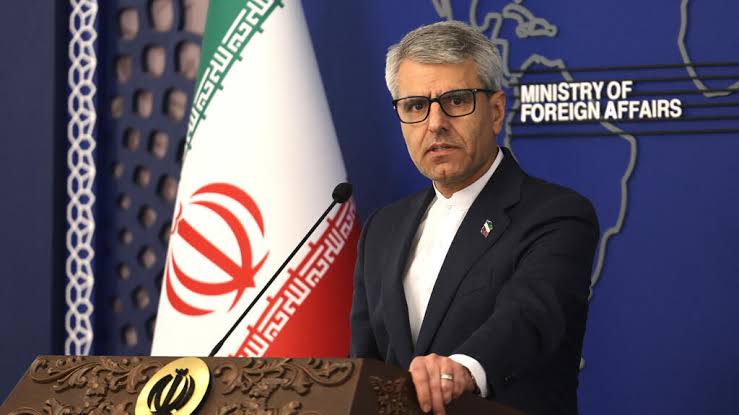
Iranian Foreign Ministry spokesman Esmaeil Baqaei made the clarification on Monday during a weekly press briefing, saying that while messages from the American side may be reaching Tehran through intermediaries, there are no ongoing negotiations between the two countries.
“Mediators may convey messages from the American side to us regarding current developments in the region. But at present, we are not engaged in any negotiations with the United States,” Baqaei said.
He also rejected claims that Iran had requested negotiations with Washington, describing such reports as deliberate misinformation.
“Claims that Iran has requested negotiations are fabrications that the other side circulates from time to time,” he added.
Fighting Pauses After 13 Days of Hostilities
The statement comes against the backdrop of renewed tensions between Tehran and Washington, with hostilities resuming earlier this month after diplomatic efforts broke down amid disagreements over the administration of the Strait of Hormuz.
The fighting, however, has been paused since early Saturday after 13 days of exchanges of fire between the two sides.
The pause has raised hopes of a possible return to diplomacy, particularly as concerns persist over the security and accessibility of the Strait of Hormuz, one of the world's most important maritime routes for global energy supplies.
Despite the temporary halt in fighting, however, Tehran's latest position suggests that no formal diplomatic process between Iran and the United States is currently underway.
Baqaei also launched a strong criticism of Washington's conduct, accusing the United States of repeatedly acting outside accepted international norms.
“Its conduct in recent years has resembled that of a mafia gang that adheres to no rules or laws,” he said.
He added that Iran would remain sceptical about the possibility of a meaningful diplomatic process as long as Washington continued what he described as such behaviour.
“So long as such behaviour by the United States continues, we cannot be hopeful about the emergence of a reasonable process,” Baqaei said.
Iran Insists on Control Over Strait of Hormuz
The Strait of Hormuz remains at the centre of the latest tensions between Iran and the United States.
Iran has insisted on retaining control over the management of the strategic waterway, including the collection of service fees, while maintaining Oman's involvement as a neighbouring coastal state.
The strait is a critical route for global energy shipments, and any prolonged disruption to maritime traffic through the waterway could have wider implications for international oil markets and global supply chains.
Iran's Islamic Revolutionary Guard Corps has in recent days turned back multiple vessels attempting to pass through the strait outside a route designated by Tehran.
Baqaei said six vessels were turned back earlier on Monday, although he did not provide further details about the ships or their operators.
The development has added to concerns over the future of commercial shipping through the waterway, even as diplomatic efforts continue to prevent further escalation in the region.
Tehran Says Oman Talks Are Not Linked to Washington
Baqaei also sought to draw a clear distinction between Iran's discussions with Oman and any possible negotiations with the United States.
He insisted that Washington was not involved in the recent talks between Tehran and Muscat concerning the administration of the Strait of Hormuz.
“These talks have no connection with the United States. They are a bilateral matter between Iran and Oman, and they are continuing,” Baqaei said.
He also maintained that the waterway “remains closed”.
The comments underscore the delicate diplomatic situation surrounding the strategic waterway, where Iran's position on control and shipping arrangements remains a major point of contention.
While the pause in hostilities has provided temporary relief from direct military confrontation, Iran's rejection of current negotiations with Washington suggests that significant diplomatic and security hurdles remain.
For now, Tehran appears to be maintaining separate discussions with Oman while refusing to confirm any direct diplomatic engagement with the United States.
The situation leaves open questions about whether the current pause in fighting can develop into a broader ceasefire or eventually lead to renewed negotiations between Washington and Tehran.
Written by