
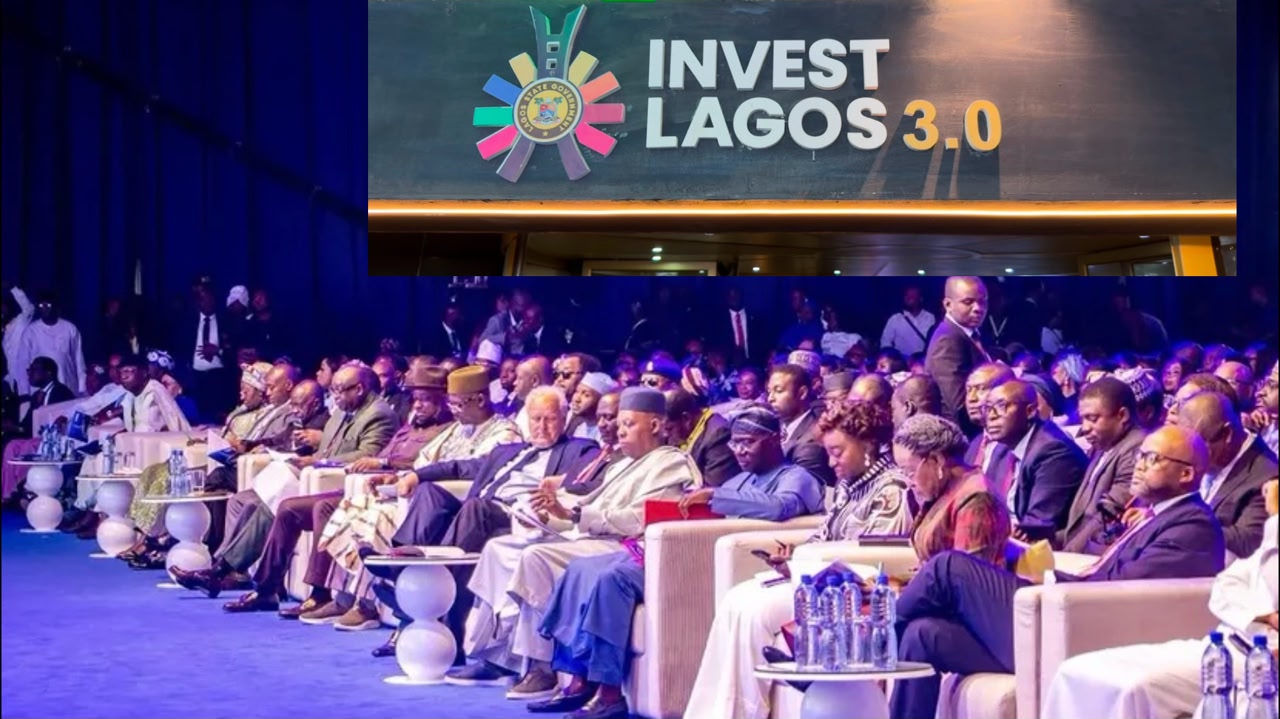
Invest Lagos 3.0 Opens with Bold Pitch for Africa’s Economic Future
By OZIOMA IWUH · 08/06/2026 4:12 PM · 6 min read
Nigeria’s drive to attract domestic and foreign investment took centre stage on Monday as political leaders, global investors, development finance institutions and captains of industry converged in Lagos for the third edition of Invest Lagos, one of West Africa’s largest investment summits.
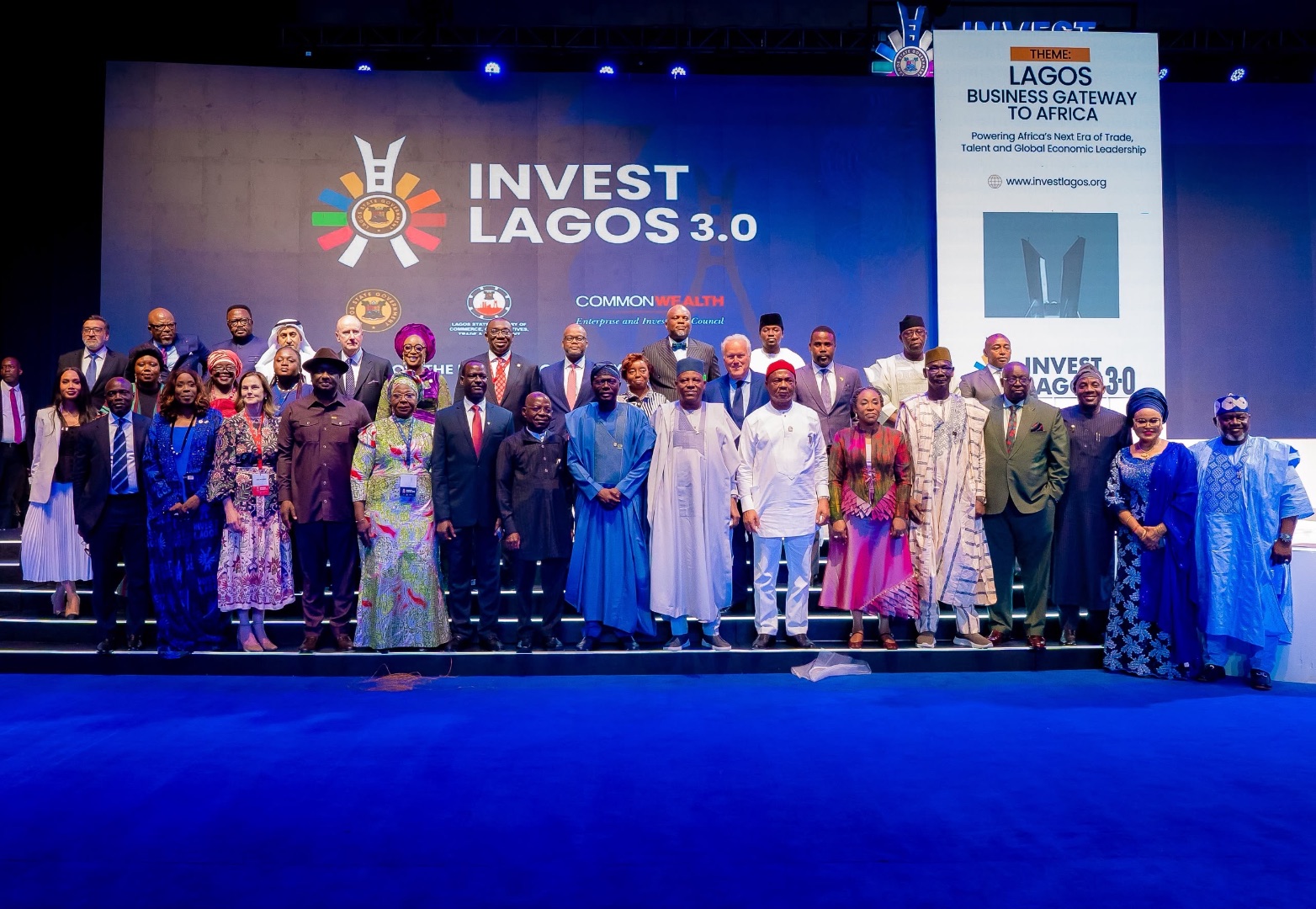
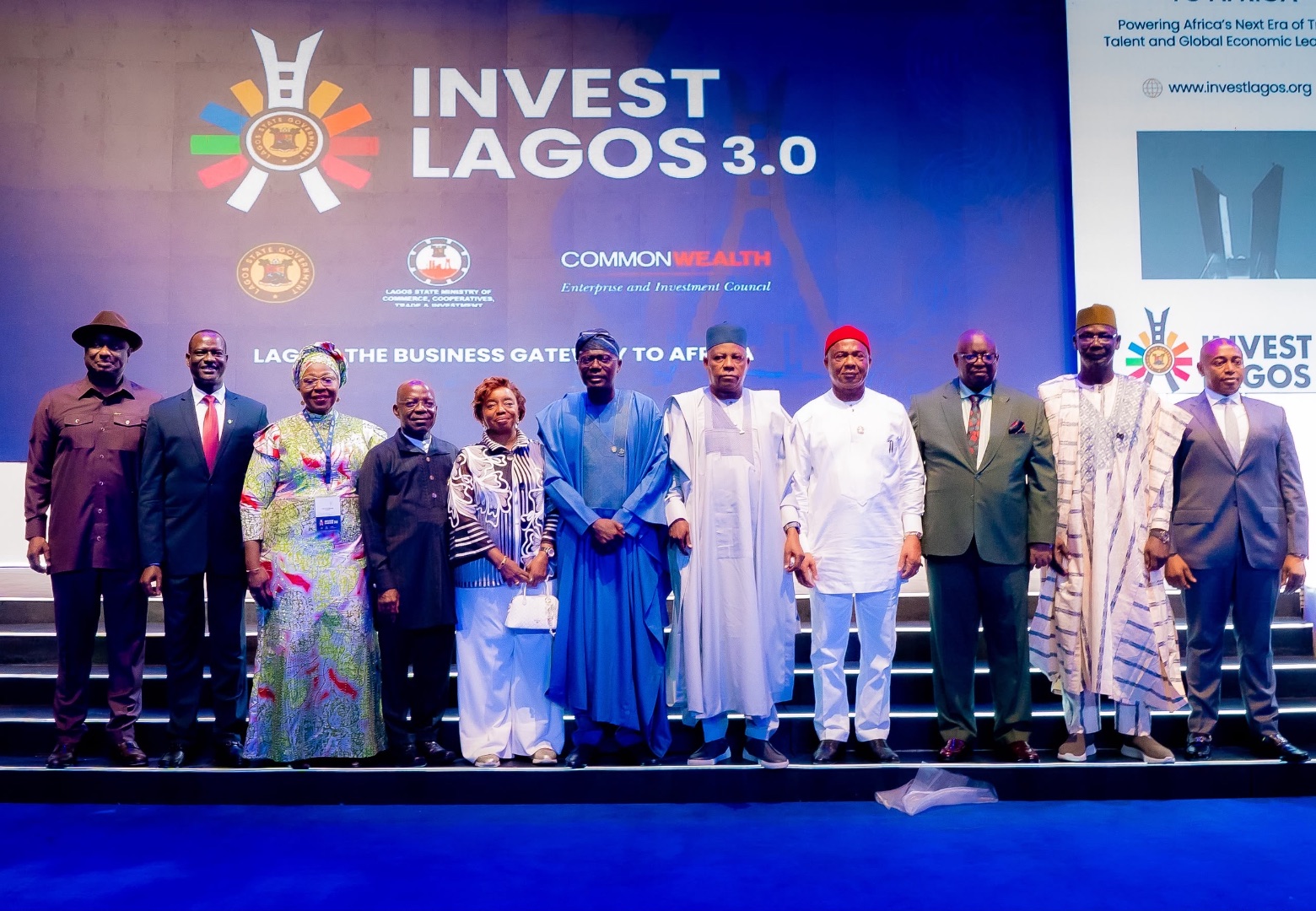
The three-day summit, themed "Lagos: The Business Gateway to Africa," brought together Vice President Kashim Shettima, Lagos State Governor Babajide Sanwo-Olu, governors from several states, senior government officials, international investors and business leaders seeking opportunities across Africa's largest economy.
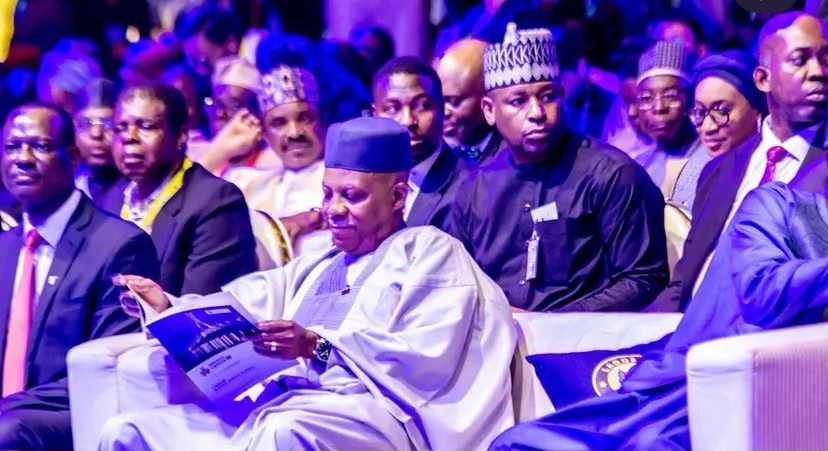
The event served as a platform for states to showcase investment-ready projects and demonstrate how subnational governments are increasingly becoming drivers of economic growth, industrialisation and job creation.
Speaking at the summit, Vice President, Kashim Shettima praised Lagos for sustaining a development trajectory that has transformed it into Nigeria’s commercial nerve centre and one of Africa’s leading economic hubs.
According to him, Lagos has demonstrated that Nigeria can compete globally when visionary leadership, institutional continuity and private-sector participation are brought together.
"Many times when the burden of nation-building appears too heavy, Lagos stands before us," Shettima said.
"It has proved that Nigeria can still catch up with the rest of the world, that our possibilities are not lost and that the future remains within reach when imagination is joined to courage, order, capital and competent leadership."
The Vice President credited successive administrations in Lagos for laying the foundation that has enabled the state to evolve into a major economic powerhouse, noting that the city now contributes roughly 30 per cent of Nigeria's Gross Domestic Product.
He described Lagos as a centre of innovation, commerce and enterprise whose influence extends far beyond Nigeria's borders.
"Lagos remains a marketplace of ideas, a centre of enterprise, a hub of innovation and one of the most important economic engines on the African continent," he said.
Aviation Sector Investments
Minister of Aviation and Aerospace Development, Festus Keyamo, highlighted Lagos' strategic importance to Nigeria's aviation industry, revealing that approximately 67 per cent of all international air passengers entering the country arrive through Lagos. According to him, the state is uniquely positioned to become Africa's leading aviation hub due to its geographic advantage and connectivity to major global destinations.
Keyamo disclosed that the Federal Government had committed significant resources to modernising aviation infrastructure, including a major upgrade of the Lagos airport.
"Lagos is perhaps the busiest aviation gateway in Africa and remains strategically positioned to serve as the continent's leading air transport hub," he said.
He added that the administration of President Bola Tinubu remained committed to strengthening infrastructure capable of supporting increased trade, tourism and investment flows.
Federal Government Backs State-Led Growth
Speaking at the summit, the Minister of Finance and Coordinating Minister of the Economy, Mr. Taiwo Oyedele, said Nigeria's growth story is increasingly being driven by states that are implementing reforms, building infrastructure and creating investment-friendly environments.
He noted that while federal reforms provide macroeconomic stability, it is subnational governments that ultimately convert economic potential into projects, jobs and measurable growth.
"The future of Nigeria's growth story is being written in Lagos, Kano, Enugu, Uyo, Abeokuta, Ilorin, Kaduna, Lafia, Owerri and Umuahia," he said.
He pointed to recent economic reforms undertaken by the Federal Government, including exchange-rate reforms and fiscal restructuring, as measures designed to create a more attractive investment climate.
Oyedele also highlighted Lagos growing status as Africa's technology capital, noting that several of Nigeria's leading technology firms and unicorn startups are headquartered in the state.
Sanwo-Olu Positions Lagos as Africa's Gateway
Governor Babajide Sanwo-Olu used the summit to market Lagos as the preferred destination for investors seeking access to Africa's fast-growing consumer market.
He said Lagos, with a population exceeding 25 million people and an economy approaching $300 billion, remains the most attractive subnational economy within the African Continental Free Trade Area (AfCFTA).
"If you want to reach Africa and benefit from its boundless economic potential, Lagos offers the most viable and attractive route," the governor said.
Sanwo-Olu highlighted major infrastructure projects completed under his administration, including the Blue Line and Red Line rail systems, the Lekki Deep Sea Port, technology investments, food security initiatives and plans for the proposed Lagos International Financial Centre.
He also revealed that Lagos would host major continental events over the next two years, including the Creative Africa Nexus (CANEX) and the Intra-African Trade Fair.
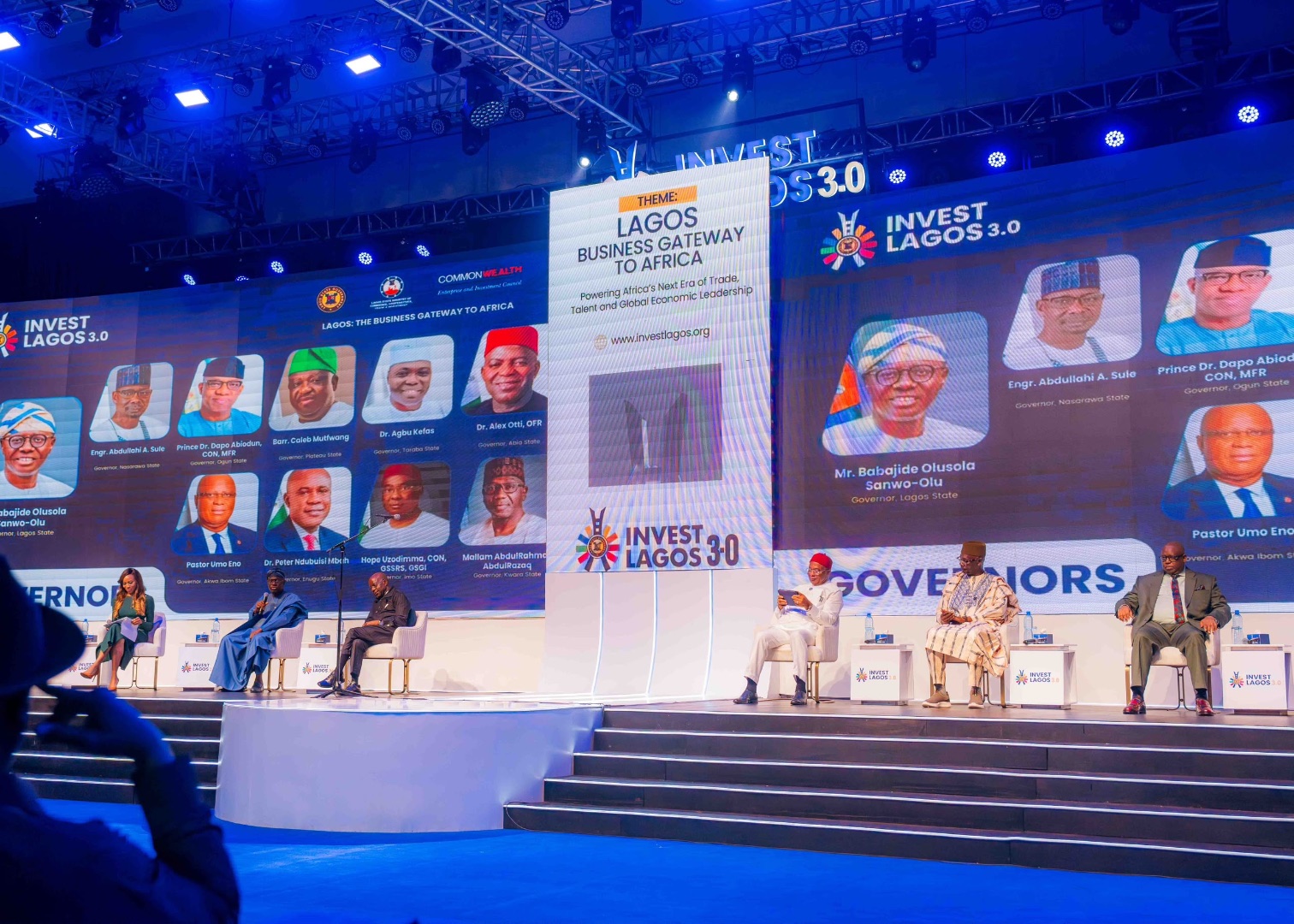
Governors Market Investment Opportunities
One of the summit's highlights was a dedicated session where governors pitched investment opportunities within their states to international investors.
Governor Alex Otti of Abia State showcased ongoing reforms in electricity, healthcare and infrastructure, highlighting the success of the Geometric Power project in Aba and plans to expand stable electricity supply across the state.
Governor Hope Uzodimma of Imo State described his state as an emerging investment destination, citing reforms in power generation, digital governance, agriculture, hospitality and energy.
He unveiled the state's slogan, “IMO – Investment Meets Opportunities,” and highlighted reforms in electricity, infrastructure, digital governance and industrial development.
The governor disclosed plans centred around the state's Energy Free Trade Zone and called on investors to take advantage of opportunities in gas processing, petrochemicals, manufacturing and logistics.
Governor Abdullahi Sule of Nasarawa State promoted the state's vast mineral resources, noting that Nasarawa possesses all seven critical minerals currently attracting global demand.
He said the state had established a dedicated investment company and one-stop-shop framework to improve ease of doing business and accelerate project approvals.
Governor Caleb Mutfwang of Plateau State focused on agriculture, tourism and mining, describing them as the pillars of the state's economic transformation agenda.
He said Plateau remained Nigeria's leading producer of potatoes and possesses significant potential to become a major contributor to national food security and agricultural exports.
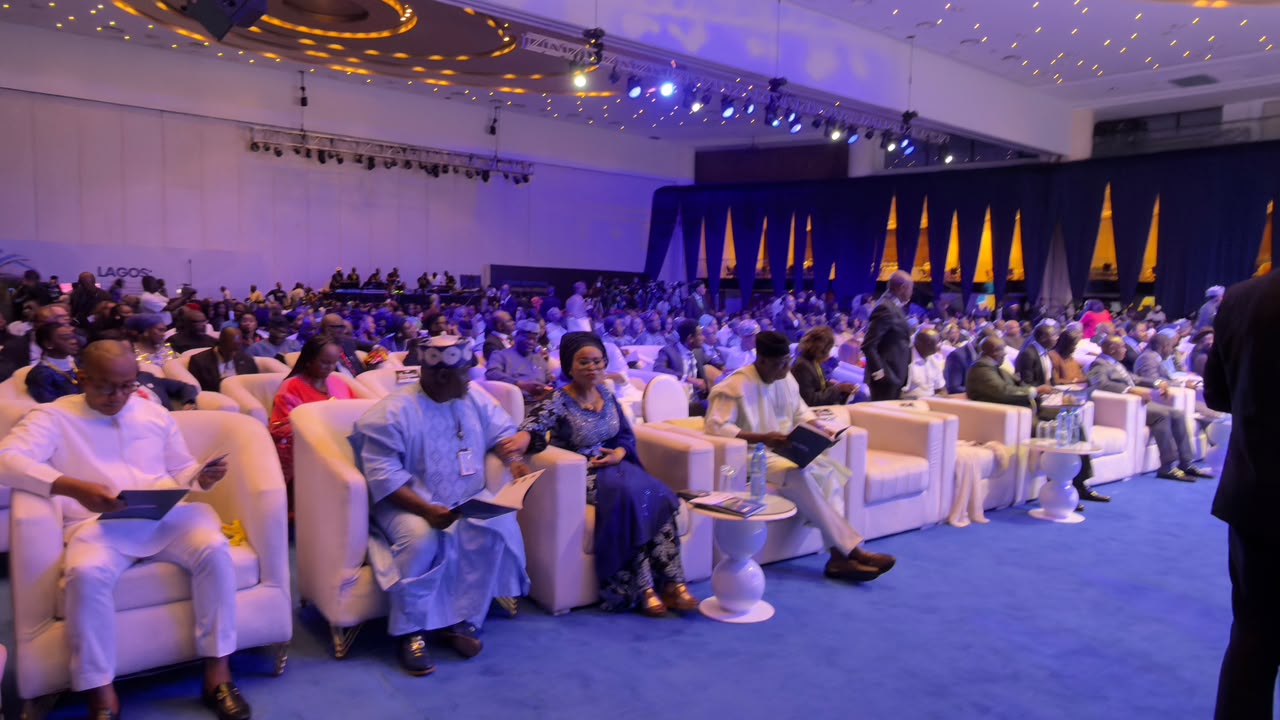
Building Nigeria's Next Investment Frontier
As discussions continued, a common theme emerged: Nigeria's states are increasingly positioning themselves as the primary engines of economic development.
From Lagos ambition to become Africa's financial gateway to Abia's power reforms, Imo's energy investments, Nasarawa's mineral wealth and Plateau's agricultural potential, governors presented a unified message to investors that opportunities exist across the federation beyond traditional oil and gas sectors.
For many participants, Invest Lagos 3.0 was more than a conference. It was a statement of intent by Nigeria's subnational governments to compete for capital, drive industrialisation and play a larger role in shaping the country's economic future.
Written by
Ozioma Iwuh
SkyHigh NewsHub correspondent.