
How Illegal Mining Is Financing Insecurity In Nigeria — Reps Reveal
By OUR REPORTER · 14/07/2026 6:13 AM · 3 min read
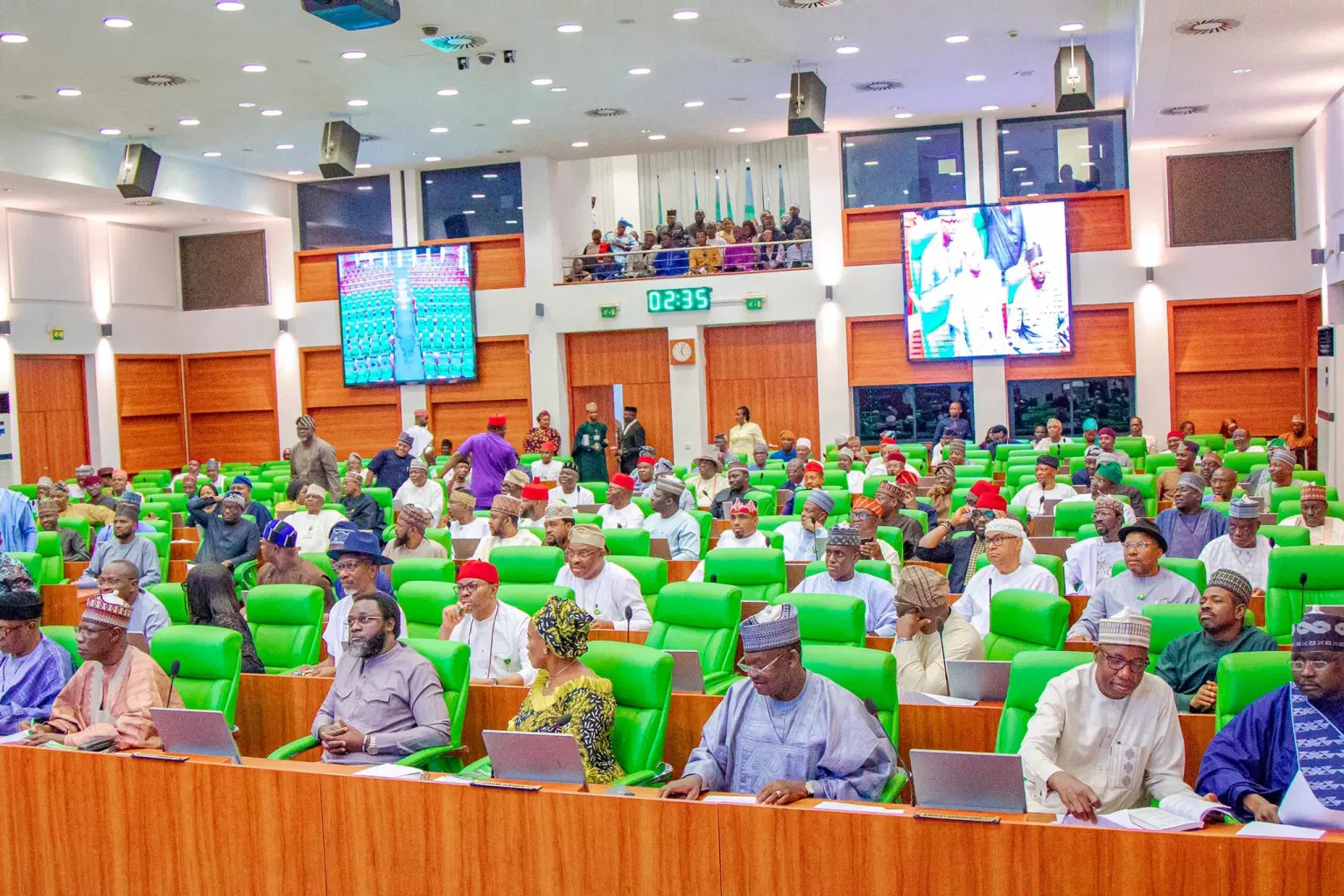
The House of Representatives has identified illegal mining and money laundering as major drivers of insecurity across Nigeria, warning that criminal exploitation of the country's vast mineral resources is depriving the nation of revenue while fuelling violence in mining communities.
Chairman of the House Ad Hoc Committee on Mineral Exploitation, Security and Anti-Money Laundering, Sanni Abdulraheem, made the disclosure on Monday at a stakeholders workshop on extractive industry governance in Abuja.
Abdulraheem said Nigeria possesses significant deposits of gold, lithium, tin, coal, tantalite and several other strategic minerals that should ordinarily contribute to national development and economic growth. However, he noted that widespread illegal mining activities, weak regulatory enforcement and illicit financial flows have prevented the sector from delivering its full economic benefits.
According to him, criminal syndicates have continued to exploit the country's mineral resources while government revenues are lost through illegal operations and money laundering.
"Nigeria is blessed. Few nations on earth carry the range and richness of mineral deposits that lie across our states, gold, lithium, tin, coal, tantalite and many more. On paper, these resources should be transforming livelihoods, funding schools and hospitals, and strengthening our national economy," he said.
"But for too long, a troubling gap has persisted between the wealth in our ground and the prosperity in our communities."
The lawmaker attributed that gap to illegal mining, weak enforcement and the laundering of proceeds generated from illicit mining operations.
He warned that criminal networks have taken advantage of regulatory loopholes, resulting in massive revenue leakages and growing security threats in several mineral-producing communities.
According to Abdulraheem, the House constituted the ad hoc committee to investigate illegal mineral exploitation across the country, trace illicit financial flows from the mining sector, evaluate the effectiveness of security around mining communities and recommend reforms that would strengthen governance of Nigeria's extractive industry.
He said the committee's engagements with relevant government agencies had shown that the challenge could not be addressed by any single institution.
"What has become clear to us is this: no single agency, no single arm of government, and certainly no single committee of this House can resolve this crisis alone," he said.
"The illegal mining challenge sits at the intersection of law, security, finance, community livelihood and governance. It requires regulators, security agencies, financial intelligence institutions, state governments, traditional institutions, licensed operators and civil society all pulling in the same direction."
Abdulraheem urged security agencies, including the Nigeria Security and Civil Defence Corps (NSCDC) and the Mining Marshals, to strengthen enforcement efforts while identifying operational challenges requiring legislative support.
He also called on the Nigerian Financial Intelligence Unit (NFIU) and the Economic and Financial Crimes Commission (EFCC) to intensify efforts to trace and disrupt illicit financial flows linked to illegal mining activities.
According to him, proceeds from illegal mining often move through bank accounts, shell companies and cross-border financial channels that can be uncovered through effective financial intelligence and stronger political commitment.
Speaking at the event, Speaker of the House of Representatives, Tajudeen Abbas, described the committee's assignment as one of the most significant legislative interventions currently underway.
Represented by the House Leader, Julius Ihonvbere, the Speaker said illegal exploitation of Nigeria's mineral resources by criminal elements had continued for too long, undermining the country's economic diversification agenda.
He stressed that Nigeria cannot achieve sustainable economic growth or fiscal stability if the extractive sector, which should serve as a major revenue source outside oil, continues to suffer from illegal activities and weak governance.
"This is not an inquisition. It is a partnership," Abbas said.
"Withhold nothing. Speak plainly. Proffer solutions. The success of this intervention depends on the quality of information we receive and the sincerity of purpose we all bring to this room."
The workshop brought together security agencies, financial intelligence institutions, regulators and other stakeholders as lawmakers seek practical solutions to curb illegal mining, strengthen oversight of the extractive industry and improve transparency across the sector.
Written by
Our Reporter
SkyHigh NewsHub correspondent.