
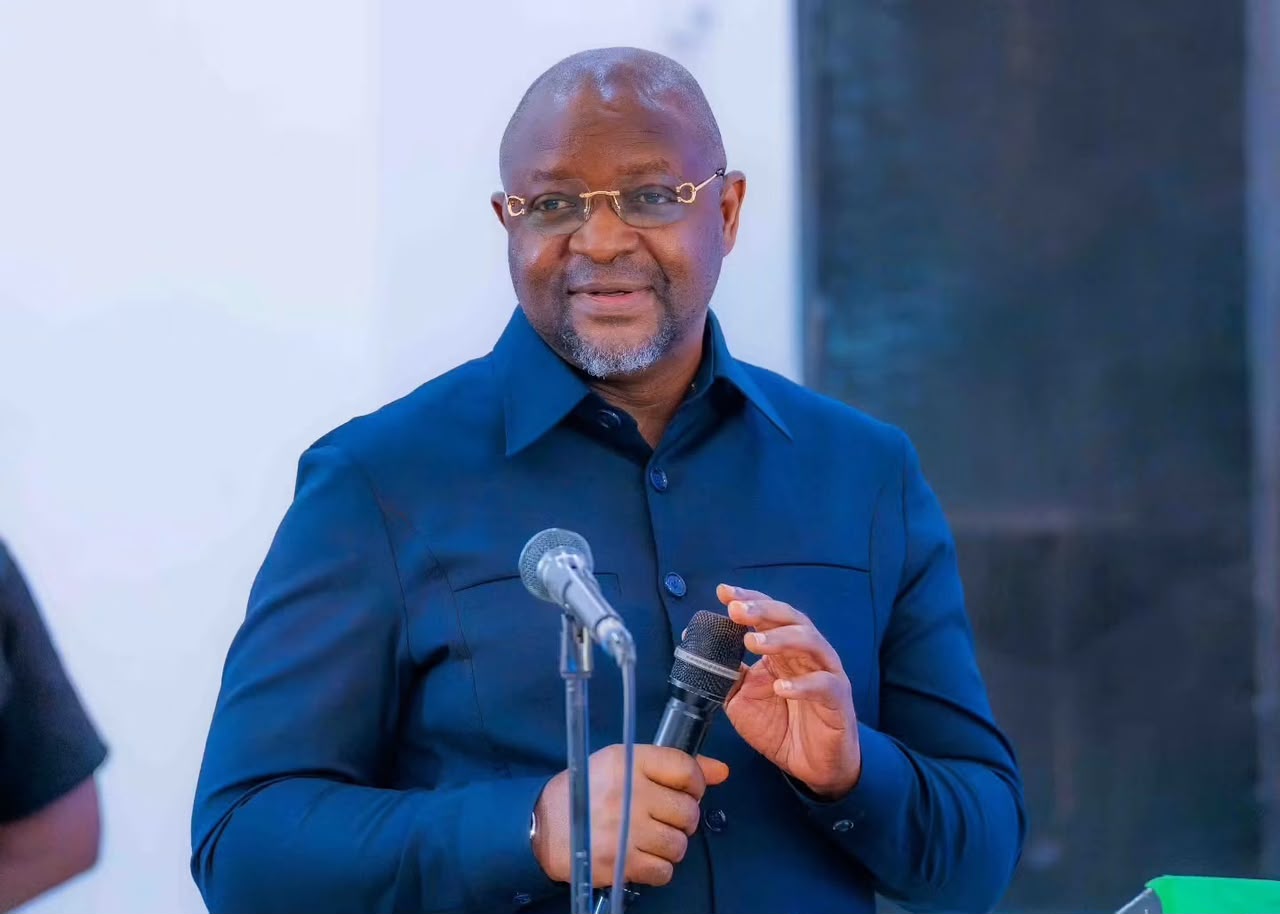
Government Alone Cannot Build Nigeria, Strong Institutions, Ethical Leadership Key — Dare
By OUR REPORTER · 24/07/2026 8:09 AM · 3 min read
The Special Adviser to President Bola Ahmed Tinubu on Media and Public Communications and Presidential Spokesperson, Sunday Dare, has urged Nigerians to embrace strong institutions, ethical leadership and responsible citizenship, arguing that sustainable nation-building cannot be achieved by government alone.
Dare made the call on Thursday while delivering the keynote address at the 2026 National Civil Leadership Summit organised by the Nigerian Baptist Convention at Bowen University, Iwo, Osun State.
The summit was held under the theme, "Challenges in Nation Building," and brought together religious leaders, academics and other stakeholders to deliberate on the challenges confronting Nigeria's development.
Dare said the country's future would be determined not only by government policies but also by the strength of its institutions and the values upheld by its citizens.
He argued that while governments formulate policies and provide infrastructure, institutions shape citizens, while the values and character of individuals ultimately influence the quality of leadership and governance.
According to him, families, schools, churches, businesses and citizens across the country all have important responsibilities in building a united, peaceful and prosperous Nigeria.
Reflecting on his personal upbringing in Jos and his education at Baptist High School, Dare said the institution helped instil in him values of discipline, integrity, excellence and service.
He commended the Nigerian Baptist Convention for its longstanding contributions to national development, particularly in education, healthcare, leadership development and humanitarian interventions.
Dare noted that the Baptist mission, established in Nigeria in 1850 by Thomas Jefferson Bowen, had demonstrated over the years that nation building extends beyond the activities of government and political institutions.
He maintained that although infrastructure such as roads, bridges and public projects remained essential to economic development, physical infrastructure alone could not create a great nation.
According to him, sustainable national progress requires visionary leadership, resilient institutions and citizens committed to integrity, discipline and service to the common good.
Dare described leadership as an act of stewardship rather than an avenue for the exercise of power, urging leaders in government, business, religion and other sectors to embrace transparency, accountability and a commitment to the long-term interests of the country.
Drawing from his experience in public service, including his time as Chief of Staff to then Lagos State Governor Bola Tinubu, now President, as well as his tenure as Minister of Youth and Sports Development and his current role as Presidential Spokesperson, Dare said his career had reinforced his belief in the importance of deliberate policies, strong institutions and courageous leadership.
He also defended the Federal Government's ongoing economic reforms, acknowledging the difficulties and sacrifices associated with the measures but expressing confidence that they would ultimately help build a more competitive economy.
Dare said the reforms, if sustained, could contribute to job creation, attract investment and lay the foundation for long-term economic prosperity.
On education, the Presidential Spokesperson challenged universities and other institutions of learning to better prepare young Nigerians for an increasingly technology-driven global economy.
He urged educational institutions to produce graduates who are innovative, ethically grounded and equipped to create opportunities through entrepreneurship, research and technological innovation.
Dare also described Nigeria's diversity as a major national asset, calling on citizens to promote unity, justice and equal opportunity as critical foundations for peace and sustainable development.
He urged Nigerians to place service above personal interest and to recognise nation building as a collective responsibility requiring contributions from citizens and institutions across the country.
Dare said the legacy of the present generation would ultimately be measured not by the offices its members occupied or the speeches they delivered, but by the institutions they strengthened, the opportunities they created and the values they upheld.
He called for a renewed commitment to building institutions capable of serving future generations and creating the foundation for a more united, prosperous and resilient Nigeria.
Written by
Our Reporter
SkyHigh NewsHub correspondent.