
Fuel Subsidy Removal Saved Nigeria’s Economy, Says Alake
By OUR REPORTER · 21/05/2026 12:53 PM · 3 min read
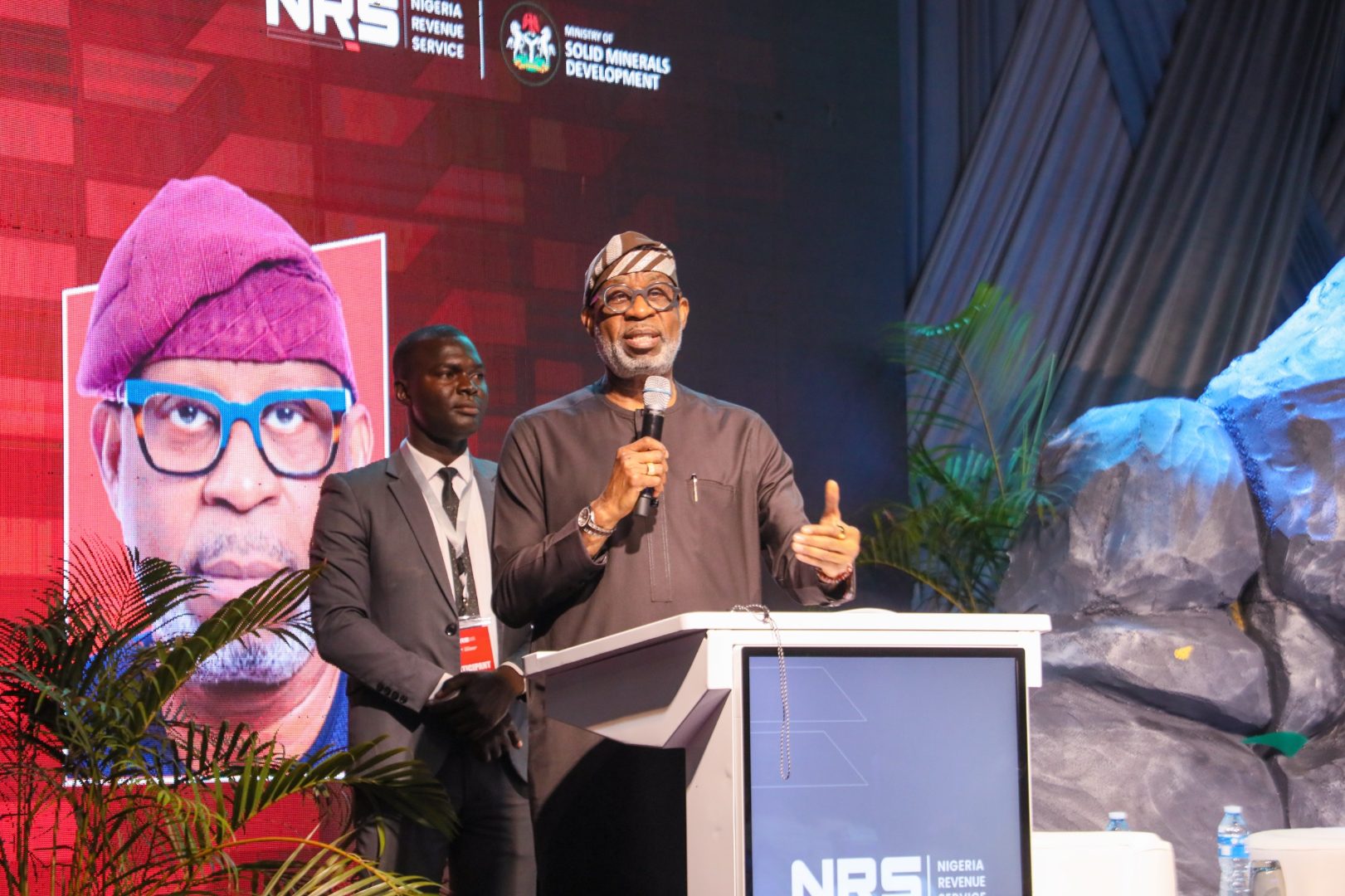
The Minister of Solid Minerals Development, Dr. Dele Alake, has defended the economic reforms introduced by President Bola Ahmed Tinubu, saying the administration’s policies were designed to reset Nigeria’s economy and prevent a total economic collapse.
Alake made the remarks in Abuja during the 2026 NRS-MSMD Joint Stakeholder Sensitisation programme for the North Central zone. The event was themed: “From Resource to Revenue: Aligning Solid Minerals Operations with the 2025 Tax Reform Act.”
According to the minister, the removal of fuel subsidy by the Tinubu administration in 2023 was a necessary decision that stopped the Nigerian economy from crashing. He traced the country’s economic decline to the gradual abandonment of local production in the 1960s, 1970s and early 1980s, which he said gave way to excessive importation and weakened the naira over time.
Dr. Alake lamented that Nigeria developed a heavy dependence on imported goods, including items that could easily be produced locally, leading to factory closures and widespread job losses.
“We were importing everything importable, including toothpicks and orange juice. Things that we could produce internally that we were producing before, when our currency was strong,” he said.
Reflecting on the strength of the naira in the early 1980s, Alake recalled that the official exchange rate at the time stood at 52 kobo to one US dollar, while the black market exchange rate was around 80 kobo to one dollar.
“I was privileged to have lived in this country when the naira was strong. In the early 80s, I bought one dollar for 80 kobo. That was not even the official rate. The official rate was 52 kobo,” he added.
The minister criticised previous administrations for allegedly failing to address the country’s economic challenges, noting that Nigeria spent enormous sums importing non-essential goods while relying heavily on borrowing to fund recurrent expenditure. According to him, some past governments borrowed money simply to pay salaries instead of investing in infrastructure and productive sectors of the economy.
“When a nation borrows to pay salaries, there can be no development. At some point, borrowing became difficult because our credit ratings had crashed,” he stated.
Alake further alleged that previous administrations resorted to printing trillions of naira locally to sustain government spending.
“We printed over N20 trillion. Without the reforms introduced by this administration, Nigeria would have entered a severe economic crisis,” he said.
The minister likened the reforms introduced by the Tinubu administration to efforts aimed at stopping the country from sinking deeper into economic instability. He stressed the need to rebuild economic structures capable of sustaining long-term growth and national development.
Speaking at the event, the Permanent Secretary of the Ministry of Solid Minerals Development, Engr. Faruk Yusuf Yabo, highlighted the importance of repositioning the solid minerals sector to drive economic diversification, job creation and sustainable development.
He noted that compliance, transparency and stronger collaboration with the Nigeria Revenue Service were necessary to improve revenue generation from the sector.
According to him, aligning mining operations with the 2025 Tax Reform Act would help eliminate revenue leakages and ensure Nigeria derives greater value from its mineral resources.
The permanent secretary also called for stronger collaboration among operators, regulators and industry stakeholders to improve royalty administration, boost government earnings and support the growth of the mining sector.
Written by
Our Reporter
SkyHigh NewsHub correspondent.