FG, Broadcasters Adopt Hybrid Model to Fast-Track Digital Switch-Over Rollout
By OUR REPORTER · 17/06/2026 3:18 PM · 4 min read
The Federal Government and key stakeholders in Nigeria’s broadcasting industry have agreed to adopt a hybrid broadcasting model as part of renewed efforts to accelerate the implementation of the country’s long-delayed Digital Switch-Over (DSO) programme.
The decision was reached during a high-level stakeholders meeting convened by the National Broadcasting Commission (NBC) in Abuja under the supervision of the Federal Ministry of Information and National Orientation.
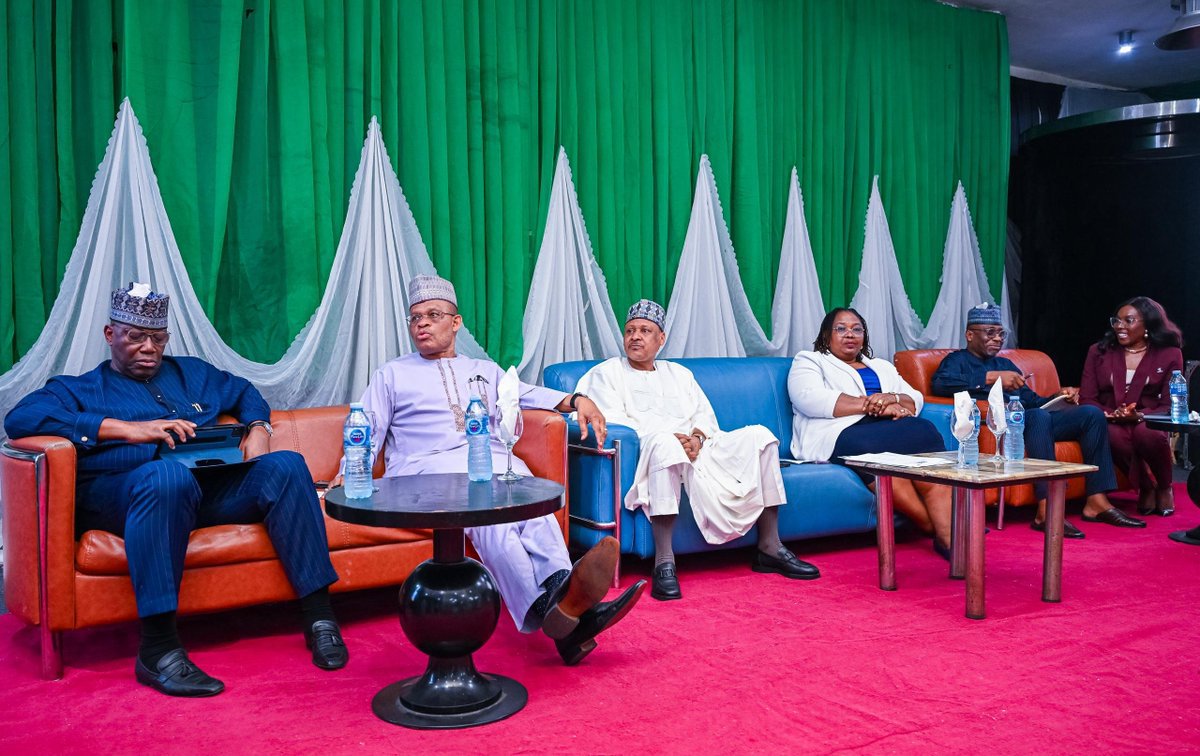
The meeting brought together regulators, broadcasters, signal distributors, satellite operators, set-top box manufacturers, content producers and industry associations to chart a new course for Nigeria’s transition from analogue to digital broadcasting.
Among those in attendance were the Minister of Information and National Orientation, Mohammed Idris, the Permanent Secretary of the ministry Binyerem Ukaire, the Director-General of the NBC Charles Ebuebu, Managing Director of NIGCOMSAT Jane Egerton-Idehen, Director-General of the Nigerian Television Authority (NTA) Salihu Dembos, Director-General of the Advertising Regulatory Council of Nigeria (ARCON) Olalekan Fadolapo and Chairman of the Broadcasting Organisations of Nigeria (BON) Tony Akiotu.
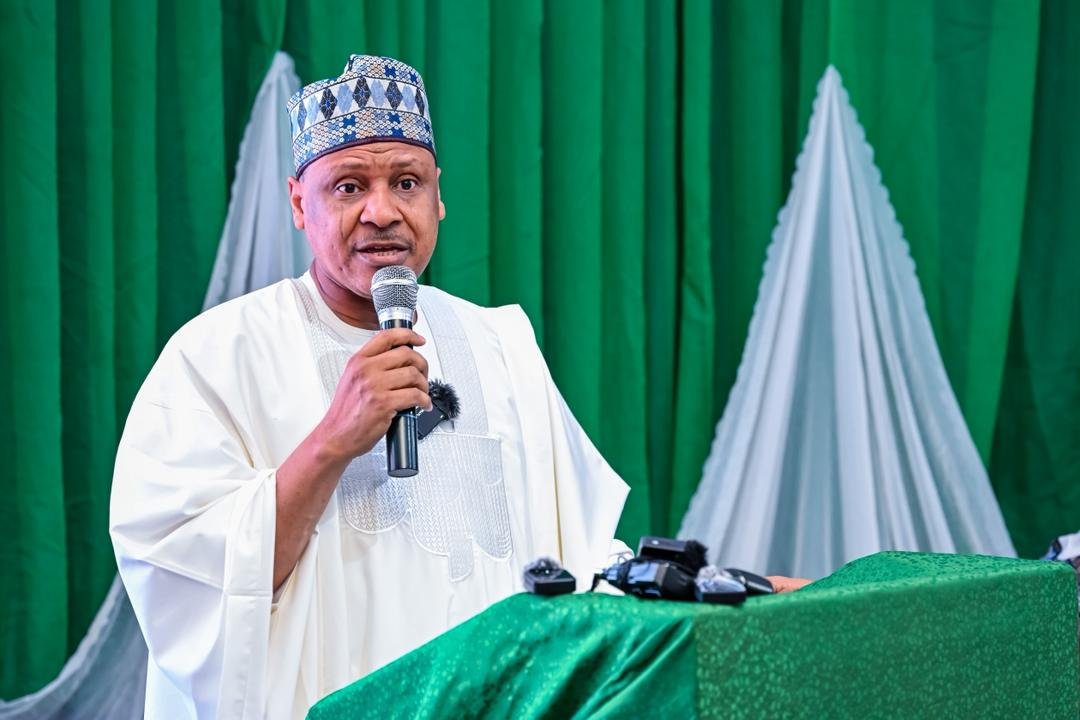
Speaking at the meeting, the Minister of Information and National Orientation, Mohammed Idris, described the DSO programme as a critical component of Nigeria’s digital transformation agenda and stressed that its significance extends far beyond the broadcasting sector.
“We are not here for winners and losers. We are here to ensure that national interest remains paramount,” the minister said.
According to him, the digital migration project has far-reaching implications for content creation, manufacturing, advertising, innovation and employment generation, making it an important economic initiative for the country.
He acknowledged concerns raised by stakeholders over previous implementation challenges and consultation gaps, assuring industry players that the government is committed to a more transparent and inclusive process going forward.
A communiqué issued at the end of the meeting reaffirmed stakeholders collective commitment to the DSO project, describing the transition as both necessary and desirable for Nigeria’s broadcasting future.
Participants agreed that the implementation process must prioritise national interest, industry sustainability, local content development, indigenous manufacturing and job creation.
One of the most significant outcomes of the engagement was the adoption of a hybrid broadcasting model that combines Digital Terrestrial Television (DTT), Direct-to-Home (DTH) satellite services and digital application-based platforms.
Stakeholders agreed that while new technologies should be embraced, Digital Terrestrial Television must remain a central pillar of Nigeria’s broadcasting architecture.
The meeting also resolved that the DSO Digital Implementation Team (DIGITEAM), which previously coordinated aspects of the migration programme, should be reconstituted to provide strategic direction and ensure effective implementation of the new framework.
Industry players further urged the NBC to safeguard investments already made by licensed set-top box manufacturers and other operators who have committed significant resources to the DSO ecosystem over the years.
Participants emphasised the need for stronger stakeholder engagement, regulatory certainty and policies that would improve investor confidence and encourage further participation in the sector.
The stakeholders also welcomed ongoing efforts by the NBC and ARCON to develop a more sustainable business model for Nigeria’s broadcasting industry.
The proposed framework is expected to strengthen audience measurement systems, expand advertising opportunities and improve the long-term financial sustainability of broadcasters.
Speaking after the meeting, NBC Director-General Charles Ebuebu described the engagement as a major milestone in efforts to address longstanding obstacles that have slowed Nigeria’s digital migration journey.
He noted that while the DSO project has experienced multiple delays over the years, stakeholders are now working toward a clearer implementation strategy capable of delivering value to both investors and consumers.
According to Ebuebu, the commission remains committed to developing a viable ecosystem that guarantees returns on investment while expanding access to quality broadcasting services for Nigerians.
As part of the resolutions reached, the Federal Government, through the Ministry of Information and National Orientation, will reconstitute DIGITEAM as a formal stakeholder coordination platform.
The NBC will also continue consultations with set-top box manufacturers and other industry participants to address concerns relating to investment protection and future participation within the evolving digital broadcasting landscape.
In addition, the commission and the reconstituted DIGITEAM are expected to develop a revised implementation framework that clearly defines the roles of national, regional, state and community broadcasters within the hybrid broadcasting model.
Stakeholders further agreed that quarterly meetings should be institutionalised to promote transparency, improve coordination and ensure sustained momentum in the rollout process.
The communique expressed confidence that with stronger collaboration between government and industry players, the Digital Switch-Over programme can finally achieve its objectives of improving broadcasting services, expanding audience reach, creating new revenue opportunities and delivering greater value to Nigerian consumers.
For a project that has experienced years of delays and uncertainty, the latest consensus is being viewed by stakeholders as a significant step towards finally completing Nigeria’s transition into the digital broadcasting era.
Written by
Our Reporter
SkyHigh NewsHub correspondent.