
Borno Cholera Cases Top 35,000 as MSF Warns Outbreak Spreading Rapidly
By OUR REPORTER · 23/07/2026 7:39 AM · 3 min read
The cholera outbreak in Borno State has escalated, with more than 35,500 suspected cases and 198 deaths recorded as of July 12, 2026, prompting Medecins Sans Frontieres (MSF) to warn that the disease is spreading faster than efforts to contain it.
The humanitarian organisation, in a statement on Wednesday, said healthcare facilities across the northeastern state were under severe pressure as health workers struggled to manage the growing number of patients suffering from acute dehydration and other complications associated with the disease.
The outbreak, according to MSF, began with the first suspected cases reported on May 1, 2026.
Data from the Borno State Ministry of Health showed that suspected infections had risen to more than 35,500 by July 12, with 198 deaths recorded.
The situation has placed additional strain on an already vulnerable healthcare system, particularly in densely populated communities where access to safe drinking water and adequate sanitation remains limited.
Among those affected is 13-year-old Muhammad Usman, who was taken by ambulance to an MSF-supported Cholera Treatment Centre in Maiduguri after developing severe symptoms.
“He started vomiting, had diarrhoea and complained of stomach pain. Later, he lost consciousness. We realised it could be cholera,” his mother, Hadiza Ali, said.
Cholera is a bacterial infection commonly transmitted through contaminated food or water. It causes severe watery diarrhoea and can lead to rapid dehydration, with untreated cases potentially becoming fatal within hours.
MSF attributed the worsening outbreak partly to overcrowded informal settlements, inadequate access to clean water, poor sanitation and weak waste management systems.
Bienfait Tombola, MSF Project Medical Coordinator in Maiduguri, said the organisation had significantly expanded its response but was struggling to match the pace of transmission.
“We have significantly expanded our response over the past two months, but the transmission is still spreading faster than efforts to contain it, mainly due to a lack of access to clean water, sanitation and healthcare,” Tombola said.
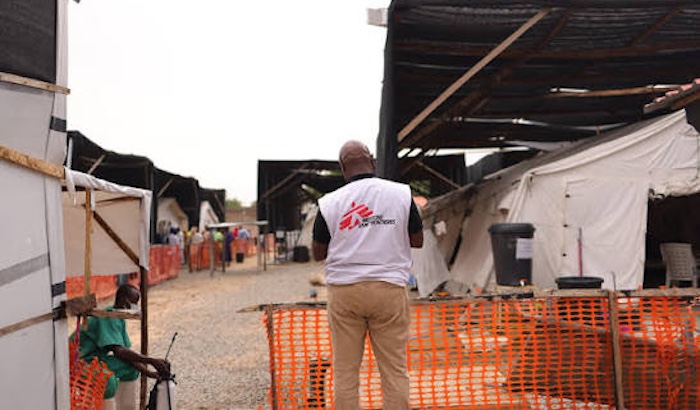
To support the government-led response, MSF has expanded its operations across Borno, supporting two Cholera Treatment Centres, five Cholera Treatment Units and 17 oral rehydration points aimed at bringing treatment closer to affected communities.
The organisation said it had treated more than 24,000 patients with suspected cholera since the beginning of its intervention, with more than a quarter of those treated presenting with severe symptoms.
Beyond medical treatment, health authorities and humanitarian organisations are also battling limited public awareness about cholera transmission and prevention.
Kyari Ali, a 65-year-old patient receiving treatment at the Maiduguri Cholera Treatment Centre, said the disease had affected several members of his family and community.
“Many people in my family and community have suspected cholera. I even have relatives who are also here in the treatment centre. I don’t know how I got the disease, I don’t know how cholera spreads,” he said.
In response, MSF and health authorities have intensified community sensitisation campaigns, trained healthcare workers, strengthened infection prevention measures and improved water safety through chlorination at key water collection points.
An oral cholera vaccination campaign conducted in early July with MSF support reportedly reached more than 2.6 million people in affected communities.
However, health experts have stressed that vaccination and emergency treatment alone will not be sufficient to end the outbreak, calling for sustained investment in clean water infrastructure, sanitation, disease surveillance and access to primary healthcare.
The outbreak has also spread beyond Borno, with neighbouring Plateau State reporting 102 suspected cholera cases as of July 12, according to health authorities.
With healthcare facilities under sustained pressure and new infections continuing to emerge, MSF has called for expanded vaccination efforts alongside urgent measures to improve access to safe water and sanitation.
The organisation warned that without addressing the underlying water, sanitation and hygiene challenges driving transmission, efforts to contain the outbreak could remain overwhelmed by the continued emergence of new cases.
Written by
Our Reporter
SkyHigh NewsHub correspondent.