
Beyond Displacement: The Silent Health Burden Facing Women in Sokoto’s IDP Camps
By MEEMA SAAHIB · 09/06/2026 7:25 PM · 7 min read
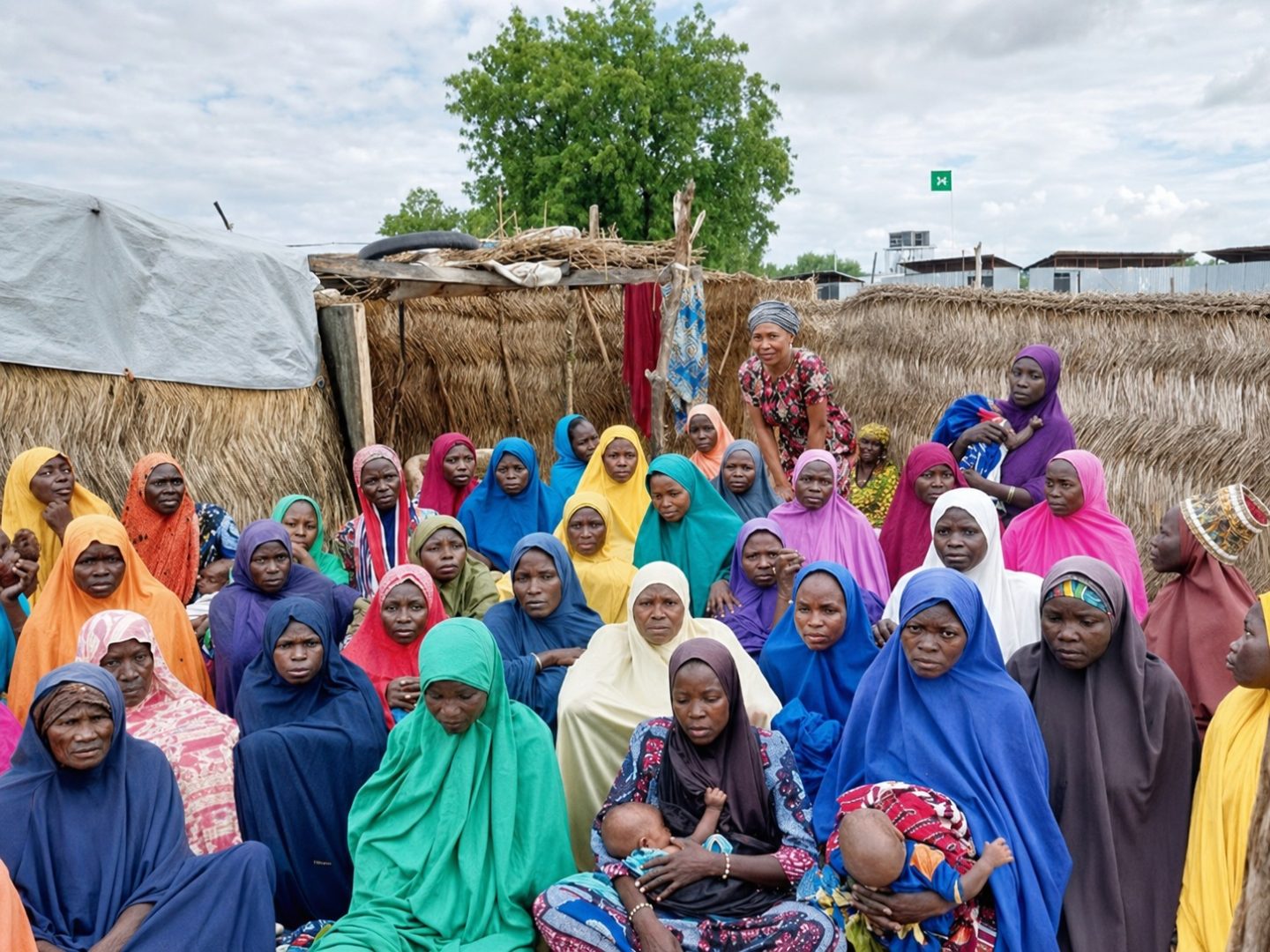
Long before sunrise breaks over the sprawling Ramin Kura Internally Displaced Persons (IDP) Camp in Sokoto State, many women are already awake. But their day does not begin with preparing breakfast or getting children ready for school, but to step carefully through piles of refuse that line the narrow paths between makeshift shelters.
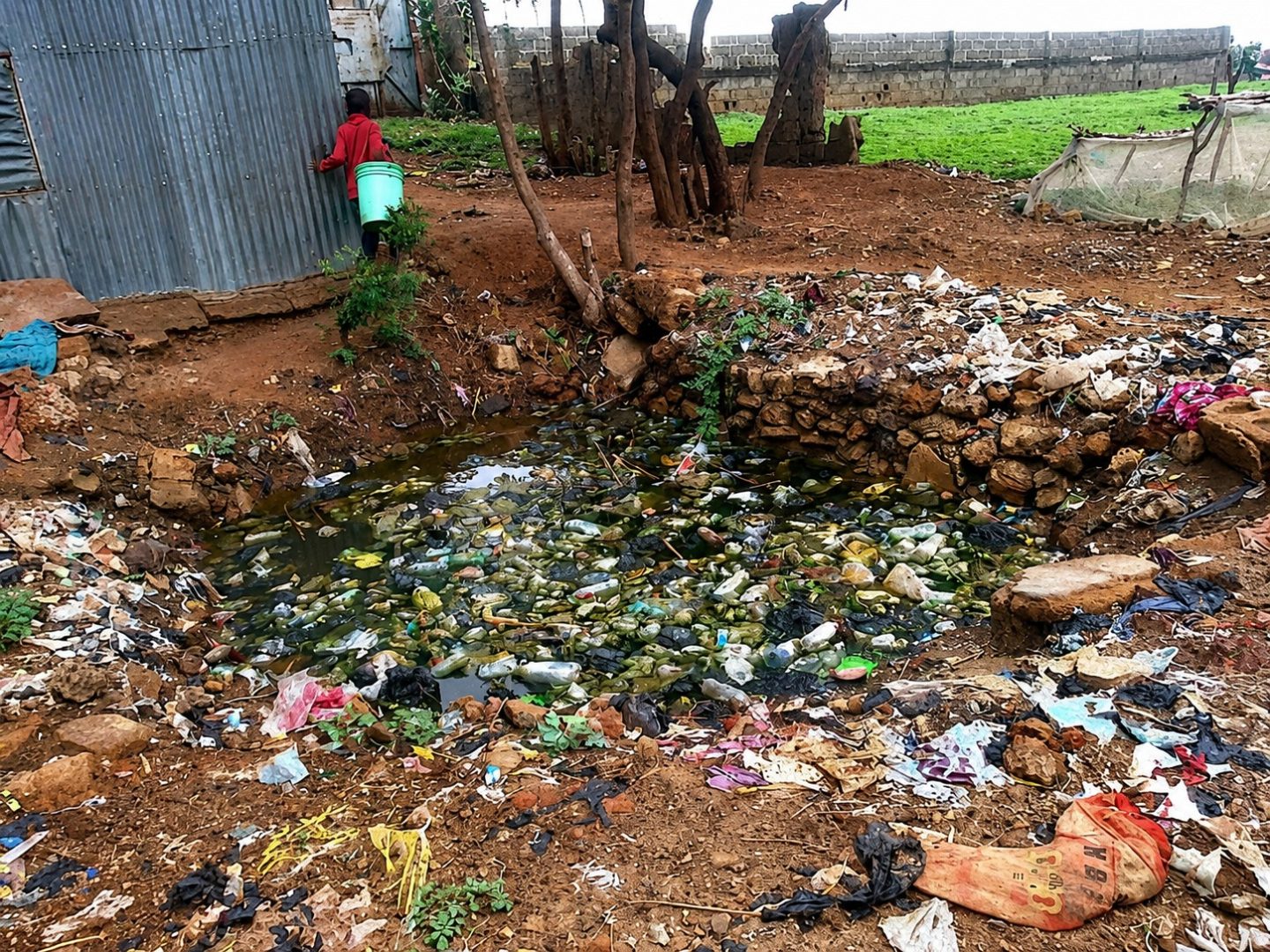
The smell of stagnant waste hangs in the air, mixing with the dampness of the rainy season, while flies hover over exposed garbage and pools of dirty water that double as mosquito breeding sites.
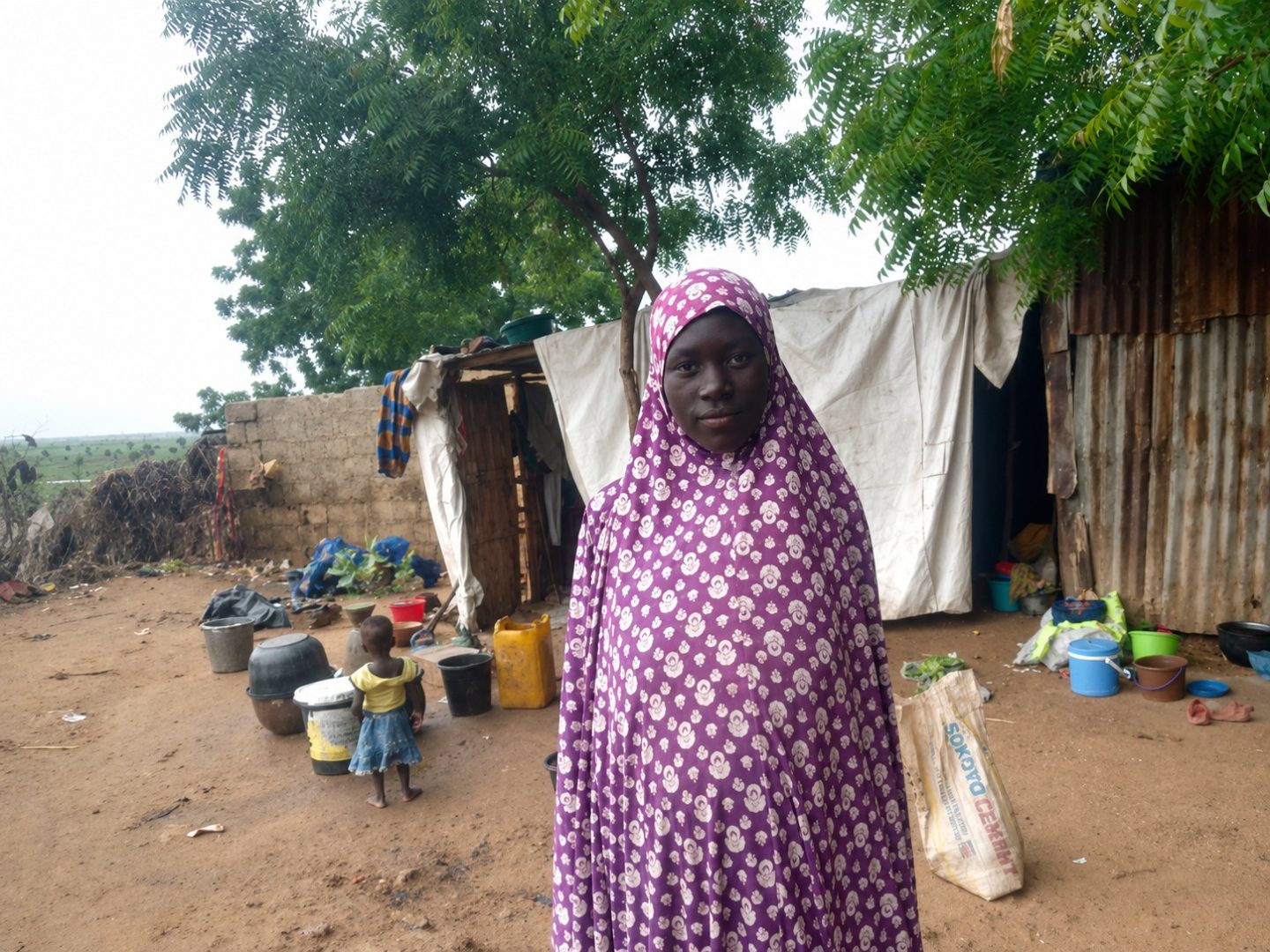
For hundreds of displaced families, this is not an occasional inconvenience. It is the environment we now call our home, said Sahura Umar, a 29 years pregnant mother as she navigated through the mud littered floor to find her way to her makeshift tent.
According to the National Human Rights Commission (NHRC) Sokoto recorded 7,090 IDPs from February to April 2025, and by March 2026, over 2,500 displaced residents were living in the Ramin Kura camp following renewed attacks and displacement.
But beyond the numbers lies a growing humanitarian concern of deteriorating environmental sanitation in IDP camps and its escalating health consequences, particularly for women and children.
LIFE IN AN UNMANAGED ENVIRONMENT
Waste disposal in the camp is largely informal, with no designated system for collection, segregation, or safe containment.
For many residents, the consequences are not just visible in the environment but are felt in their health.
Sahuratu recalled how she recently fell seriously ill with a high fever while pregnant. After visiting a nearby Primary Health Centre, she was diagnosed with malaria. According to her, health workers linked her condition to the prevalence of mosquitoes breeding around stagnant water and poorly managed waste within the camp.
“I was advised to consistently sleep under a treated mosquito net to reduce the risk of getting sick again”
As Sahuratu struggles to protect both her health and that of her unborn child, other residents recount similar experiences.
Eight-year-old Halima Salihu recently spent days battling severe vomiting and diarrhoea that left her weak and dehydrated after a sleepless night.
Her mother, Hauwa Salihu, believes the illness was connected to the unsanitary conditions in which they live.
“I think it is because of the food and the environment here. Everywhere is dirty. Flies and rodents are all over the place,” she said, waving her hand repeatedly to chase away a swarm of flies hovering around her daughter's mat.
Her face clouded with worry as she pointed toward a nearby heap of refuse.
“Look around. Waste is dumped in open spaces, and in some places it has piled into mounds. When it rains, water collects and remains there for days,” she added.
The accumulation of refuse and stagnant water has created conditions that residents say make disease outbreaks almost inevitable.
“This situation is affecting us. Hardly a week passes without someone falling sick. Children are always having one illness or another, and medication is not affordable for most families here,” Hauwa added.
For the camp residents, poor waste management is not merely an environmental concern. It is a daily reality that shapes their health, drains their limited resources, and deepens the hardships of displacement said Dr Zainab Hafizu a public health specialist in Sokoto.
WOMEN AND THE BURDEN OF DIGNITY IN DISPLACEMENT
Poor sanitation extends beyond disease risk. The absence of proper waste disposal facilities has created challenges around menstrual hygiene management, a critical but often overlooked aspect of humanitarian response.
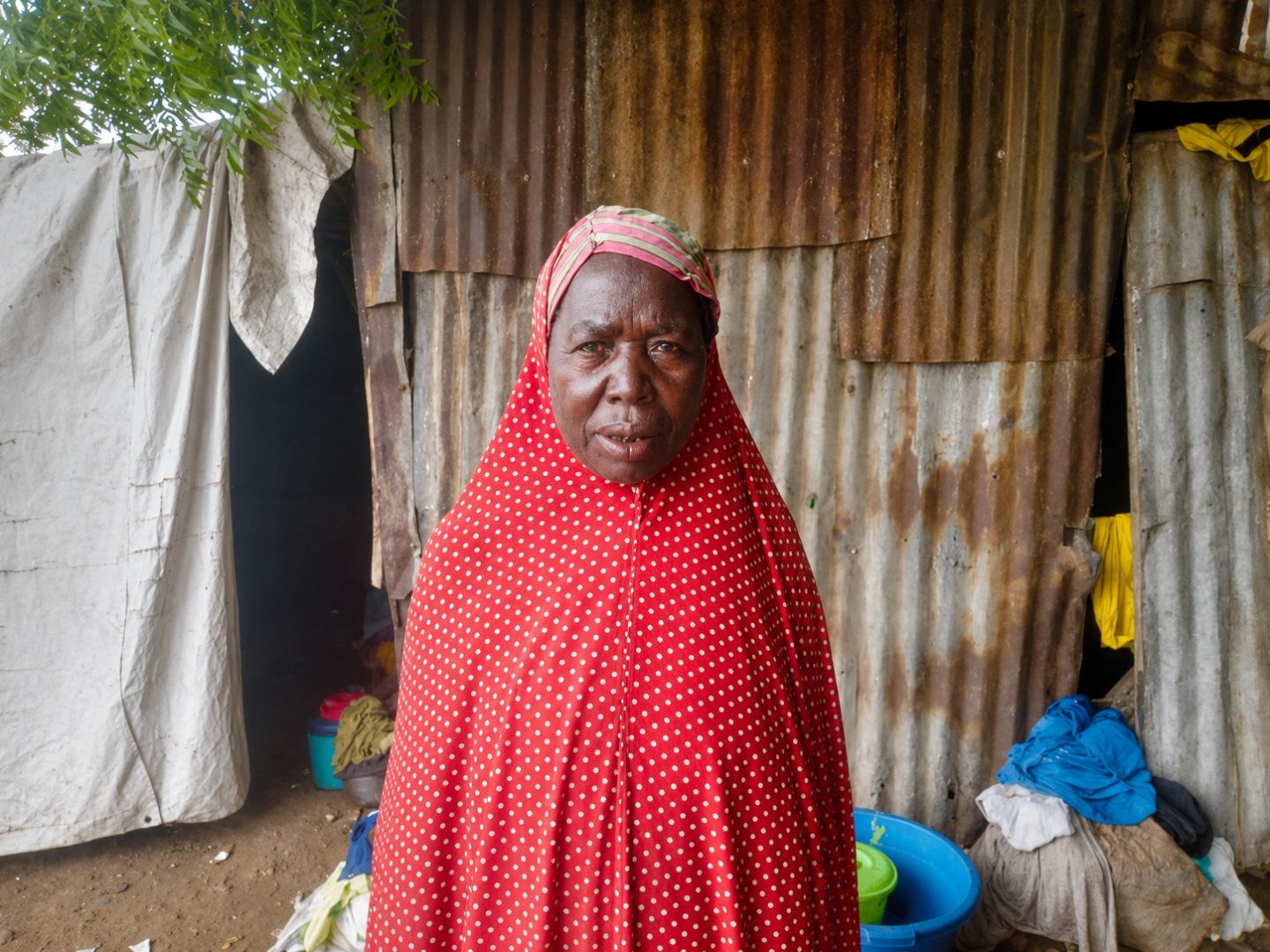
Without designated disposal systems, used sanitary pads are often discarded in open spaces around the camp, said Anty Baby, the camp's women leader.
“We don’t have anywhere to properly dispose of used pads. If you walk around, you will see them scattered because there is no system in place.”
Her concern reflects a broader issue of dignity, privacy, and health protection for displaced women living in overcrowded and under-served conditions.
A 2025 study on Nigerian IDP camps found that more than 60 percent of camp residents are women and girls, and that inadequate water, sanitation, and hygiene facilities expose them to heightened risks of illness, menstrual hygiene challenges, and gender-based violence.
Hafizu explained that improper disposal of menstrual waste and other household refuse can create breeding grounds for disease-carrying insects and increase women's exposure to infections.
“When waste is left in open spaces, especially in densely populated settlements such as IDP camps, it attracts flies, mosquitoes, and rodents that can transmit diseases.
She said that for women and adolescent girls, the lack of safe and private disposal facilities also undermines menstrual hygiene management and increases the risk of reproductive and urinary tract infections when sanitary materials are not handled or disposed of properly.
She added that beyond the physical health implications, poor waste management can have psychosocial effects on women and girls, who are often forced to navigate issues of privacy, dignity, and safety while managing their menstrual health in already difficult living conditions.
“Humanitarian response should not focus only on providing shelter and food. Safe sanitation facilities, proper waste disposal systems, and menstrual hygiene services are essential public health interventions that protect women’s health and dignity,” she added.
REPEATED STRUGGLES ACROSS CAMPS
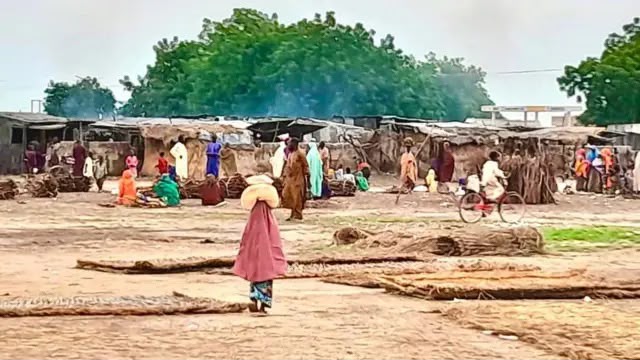
Similar conditions are evident in other displacement sites across the state. At Mai Tandu camp in Isa Local Government Area, residents describe sanitation challenges that intensify during the rainy season.
Nana Haruna, 24, who has lived in the camp for three months, said the environment becomes worse when rainfall spreads waste across living areas.
“I feel very uncomfortable whenever it is raining. The dirt here is so irritating that you won’t want to look twice,” she said.
She added that although residents sometimes organize clean-up efforts, their impact is limited due to the absence of proper waste disposal infrastructure.
“If there was a proper place to dump waste, it would not be scattered by the wind. But during the rainy season, we cannot even burn it,” she explained.
Health professionals warn that the sanitation crisis in displacement camps is also placing additional pressure on already fragile healthcare services.
Mu'awiya Tukur, a public health practitioner, said poor environmental sanitation often leads to recurring illnesses that many displaced families struggle to manage.
According to him, repeated cases of preventable diseases increase healthcare costs for households with limited resources while placing additional strain on nearby health facilities.
He noted that women are frequently the most affected because they often assume caregiving responsibilities whenever children or other family members fall ill, adding to the burdens they already face in displacement.
"The burden goes beyond the illness itself. Women frequently become caregivers when children fall sick, which affects their well-being, productivity, and ability to engage in other livelihood activities"
Tukur added that improving waste management, drainage systems, and sanitation facilities would not only reduce disease risks but also strengthen the overall resilience of displaced communities.
ENVIRONMENTAL DAMAGE BEYOND HUMAN HEALTH
Environmental experts also warn that the consequences extend beyond immediate health risks.
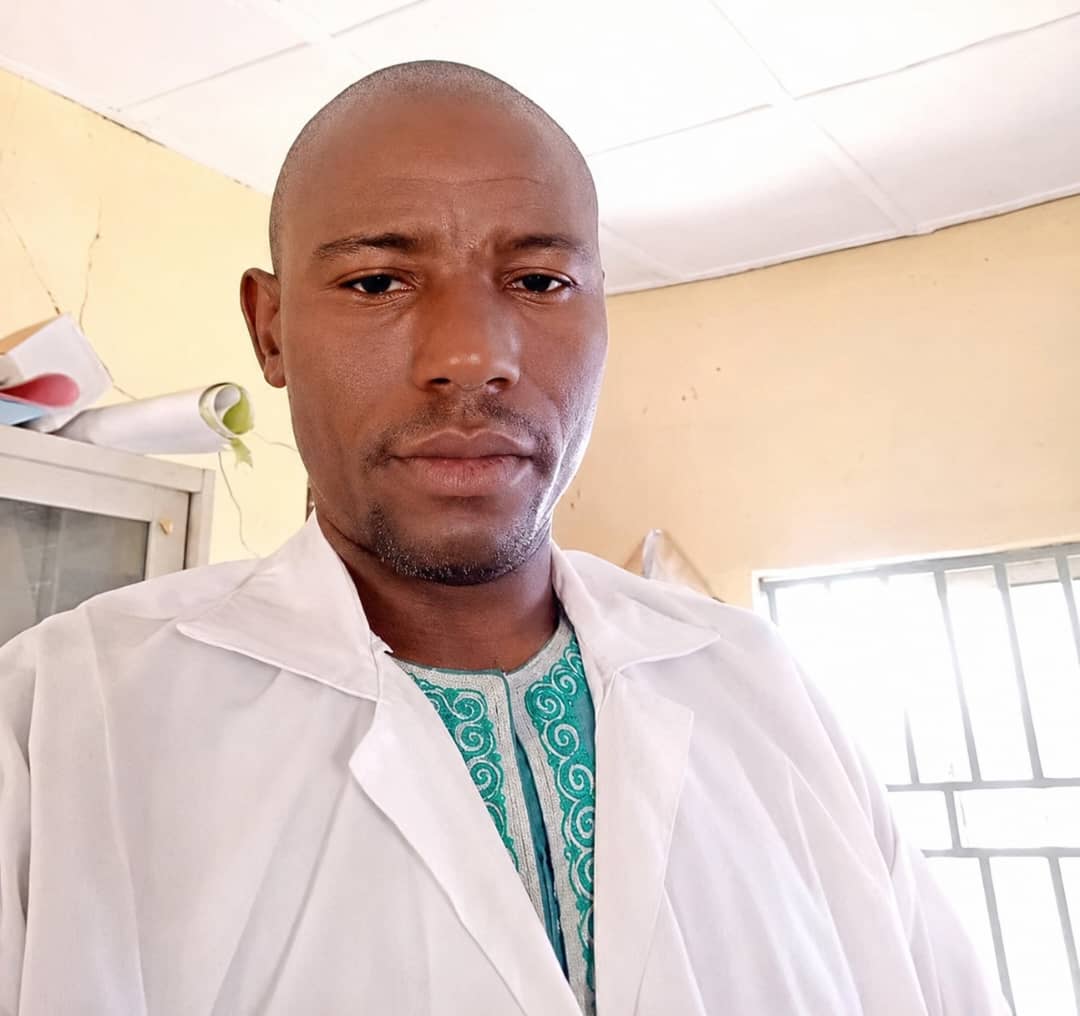
Usman Abba Sabaru, an environmental health expert, said unmanaged waste contaminates soil, water, and air, creating long-term ecological damage.
“Nylon waste is especially dangerous because it does not decompose,” he said. “It blocks soil aeration, reduces fertility, and affects agricultural productivity.”
He added that improper disposal practices contribute to air pollution and degrade ecosystems, especially when waste is dumped near farmland and drainage systems.
A 2023 study on solid waste management in Sokoto Metropolis published on seahipaj.org found that most disposal sites are located near residential areas, farmlands, and water bodies, often blocking drainage channels and increasing flood risks during the rainy season.
The study recommended stronger waste management systems, including the construction of sanitary landfills, provision of incinerators, and increased funding for waste collection infrastructure and logistics.
For many displaced families, sanitation is not just an environmental concern but a daily survival issue.
Women, children, and pregnant mothers remain the most affected, bearing both the health risks and the emotional burden of living in deteriorating conditions.
As displacement continues across Sokoto State, residents and experts warn that without urgent investment in proper waste management systems, IDP camps risk becoming long-term public health hazards rather than temporary shelters.
Written by