
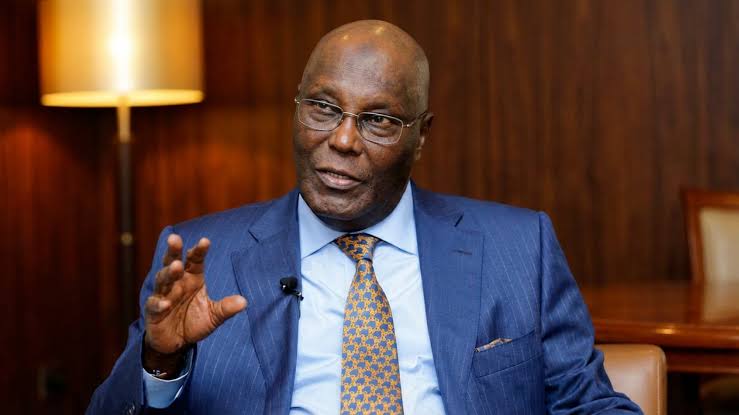
Atiku Demands Probe Over IMF Report on Alleged ₦8.8tn Off-Budget Spending
By OUR REPORTER · 04/07/2026 5:11 PM · 3 min read
Former Vice President and African Democratic Congress (ADC) presidential candidate, Atiku Abubakar, has called for a comprehensive investigation into findings contained in the International Monetary Fund's (IMF) latest assessment of Nigeria's economy, alleging that about ₦8.8 trillion in public expenditure was incurred outside the country's official budget framework.
In a statement issued on Saturday, Atiku said the IMF's Article IV Consultation report, published on July 1, 2026, showed that government expenditures equivalent to about two per cent of Nigeria's Gross Domestic Product (GDP) were not captured in official budget documents.
The former vice president estimated the amount at approximately ₦8.8 trillion, describing the development as one of the most serious fiscal accountability concerns in Nigeria's recent democratic history.
According to him, the reported off-budget expenditures indicate the existence of what he described as a "parallel fiscal system" operating beyond the oversight of the National Assembly, the Auditor-General of the Federation and Nigeria's public procurement laws.
Atiku alleged that the reported expenditures, together with what he claimed was ₦800 billion deducted from statutory allocations due to state governments, suggested the existence of a large political fund being assembled ahead of the 2027 general elections.
He did not provide evidence to support the allegation that the funds were intended for electoral purposes.
The former vice president also linked the IMF's observations to the recent controversy surrounding the alleged Presidential Foreign Intervention Promotion Council (PFIPC), arguing that both developments reflected broader concerns about transparency and accountability in public finance.
He criticised the administration's economic policies, including the removal of fuel subsidy, exchange rate reforms and rising interest rates, arguing that Nigerians had been subjected to economic hardship while questions remained over government spending.
Atiku maintained that the reported off-budget expenditure should be treated as a constitutional issue requiring immediate attention from democratic institutions.
He called on the National Assembly to convene emergency investigative hearings into the IMF's findings and urged the Auditor-General of the Federation to carry out an independent audit of all expenditures referenced in the IMF report.
He also asked the Federal Government to publish a detailed account of every expenditure allegedly made outside the approved budget, including the projects executed, contractors involved, procurement processes followed and officials who authorised the spending.
The former vice president further urged the Economic and Financial Crimes Commission (EFCC), the Independent Corrupt Practices and Other Related Offences Commission (ICPC) and other relevant agencies to open independent investigations into both the alleged off-budget expenditures and the deductions he claimed were made from state government allocations.
According to Atiku, Nigeria's civil society organisations, professional bodies, the private sector and international development partners should also demand greater transparency over public finances.
He argued that public confidence in government depends on openness, legislative oversight and accountability in the management of national resources.
The IMF, in its latest Article IV Consultation on Nigeria, raised concerns about fiscal transparency and noted that some government expenditures had occurred outside official budget documents, recommending improvements in fiscal reporting and public financial management.
The Federal Government had not officially responded to Atiku's latest statement as of the time of filing this report.
Written by
Our Reporter
SkyHigh NewsHub correspondent.