
Africa Mobilises $498.8m To Fight Deadly Ebola Outbreak
By OUR REPORTER · 26/05/2026 4:38 PM · 3 min read
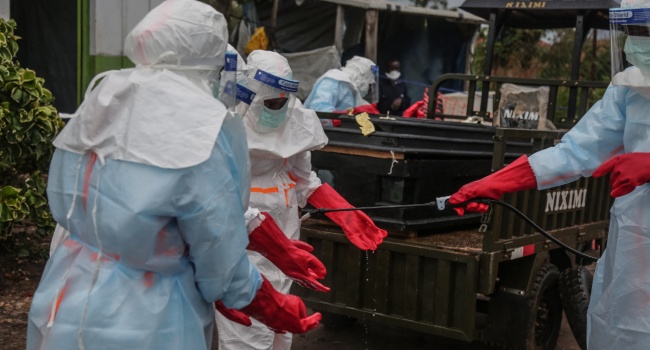
A major international mobilization has delivered a critical financial lifeline to the African continent, securing approximately $498.8 million in formal pledges and emergency capital commitments designed to suppress the rapidly evolving Bundibugyo Ebola virus outbreak currently destabilizing affected and high-risk corridors across Central Africa.
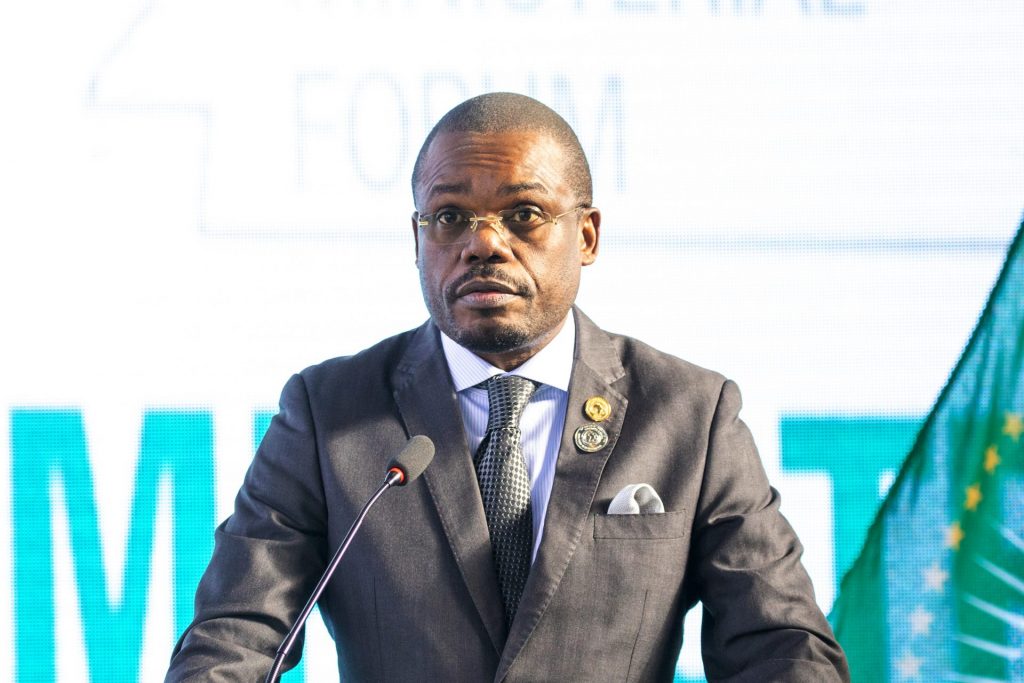
The massive funding sweep was formally announced by Dr. Jean Kaseya, the Director General of the Africa Centres for Disease Control and Prevention, following a high-level ministerial assembly on Monday. Dr. Kaseya characterized the sudden influx of financial commitments as a historic demonstration of African solidarity, executive ownership and collective responsibility directed at preserving the continent’s long-term health security. He noted that the funds would be immediately channeled into active frontline containment operations, border screening infrastructure and localized clinical training, warning that absolute institutional coordination is mandatory given the complex security environments in which the virus is mutating.
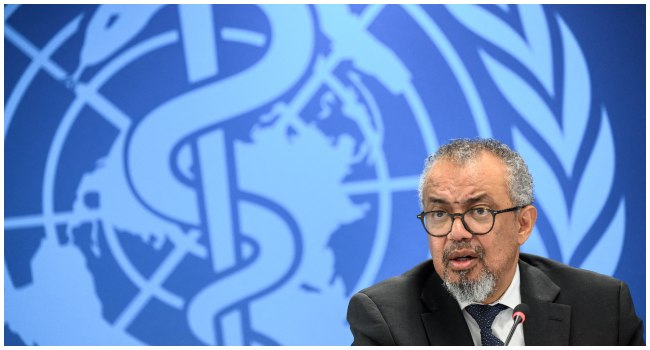
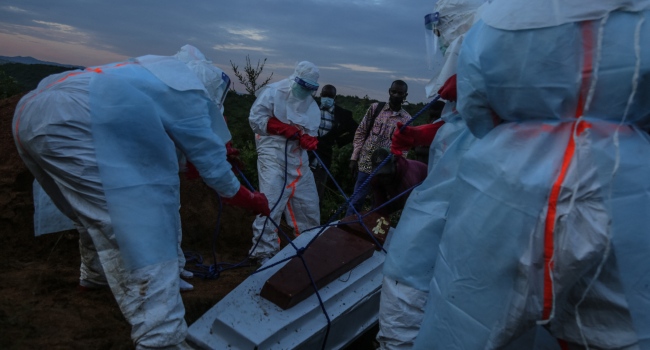
The urgency underpinning this financial surge was reinforced by Dr. Tedros Adhanom Ghebreyesus, Director General of the World Health Organization, who revealed during a Geneva press conference that the verified mortality toll tied directly to this rare hemorrhagic strain has climbed sharply to 220 fatalities. In a sobering assessment of the active crisis, the WHO chief warned that "at the moment, the epidemic is outpacing us," pointing out that the specific Bundibugyo species lacks any approved commercial vaccine or definitive therapeutic countermeasure.
Unlike the more common Zaire Ebola strain which was successfully targeted by advanced vaccines and monoclonal antibody therapies during the catastrophic 2014- 2016 West African epidemic the Bundibugyo variant remains historically elusive. It has only emerged twice before in documented medical history: first during a localized outbreak in Uganda in 2007 and subsequently within the eastern provinces of the Democratic Republic of the Congo in 2012.
Recognizing the potential for cross-border escalation, the United Nations Office for the Coordination of Humanitarian Affairs, led by UN Under-Secretary-General Tom Fletcher, recently released $60 million from its core emergency response reserves. This deployment occurred exactly five days after the WHO officially classified the Central African crisis as a Public Health Emergency of International Concern (PHEIC).
The newly secured $498.8 million ministerial fund includes a substantial $160 million development baseline from the World Bank allocated directly to the Democratic Republic of the Congo, an $82 million sovereign intervention from the United States Government and a combined $57 million medical aid package from a coalition of European partners.
The epidemiological data underscores the uneven geographic pressure of the contagion. Inside the Democratic Republic of the Congo, public health registries have documented a staggering 906 suspected cases, 105 laboratory-confirmed infections, 223 suspected community deaths and 10 verified clinical fatalities.
Meanwhile, neighboring Uganda has officially recorded seven confirmed cases and one fatality.
Ugandian medical officers are currently monitoring containment lines, noting that five of their active cases share explicit, traceable epidemiological links to the initial two index infections discovered near the western frontier, where international groups like the International Medical Corps are frantically training local physicians in the strict utilization of single-use personal protective equipment.
Written by
Our Reporter
SkyHigh NewsHub correspondent.